

When is the best time to visit Druskininkai? The honest answer is not one month. Druskininkai changes character with every season, while its strongest attractions keep working when the weather changes. That makes Lithuania’s historic health resort much more than a summer-weekend destination.
Come in spring for flowers and long, fresh walks; in summer for lakes, cycling and events; in autumn for golden forests and quieter spa days; or in winter for snowy scenery paired with warm pools and saunas. The best season is the one that matches the trip you want.
Why Druskininkai works throughout the year
Druskininkai has welcomed health travellers for more than two centuries. Its mineral-water and mud-treatment tradition now sits beside modern leisure facilities, cultural venues and extensive pine-forest paths. A forecast does not have to decide whether your trip succeeds.
A useful approach is to combine one weather-proof anchor with one seasonal experience. Book the Aquapark or a spa treatment, then add a forest walk, festival, cycle ride or winter excursion according to the season.
Snow Arena: winter sports in every month
Snow Arena is the Baltic region’s only year-round indoor winter-entertainment complex. Its indoor slopes allow skiing and snowboarding in July as well as January, with equipment and clothing rental available. Opening hours and slope access can change, so check the current schedule before travelling.
Druskininkai Aquapark and year-round wellness
The Aquapark provides a warm indoor answer to cold, rain or a tiring outdoor day. Families can plan pools and slides, while adults may prefer sauna areas and quiet wellness time. Across the resort, medical spas and sanatoriums continue the local tradition of mineral-water treatments, therapeutic mud, massage and rehabilitation all year.
The “Lynų” cable car
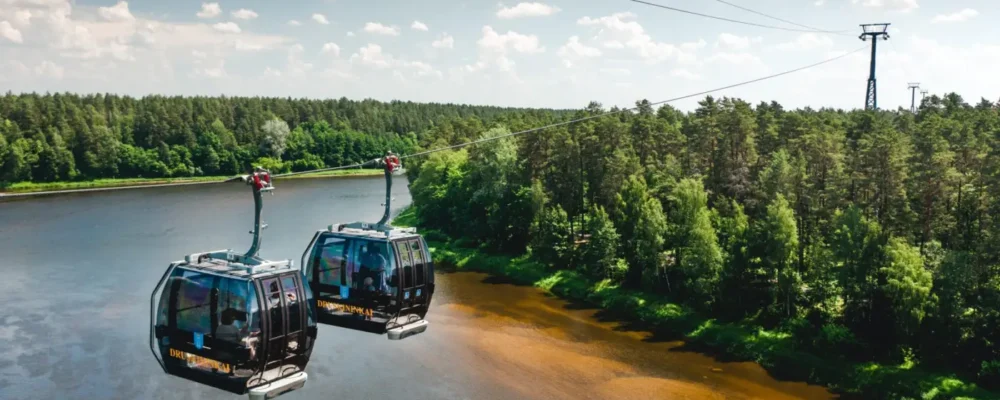
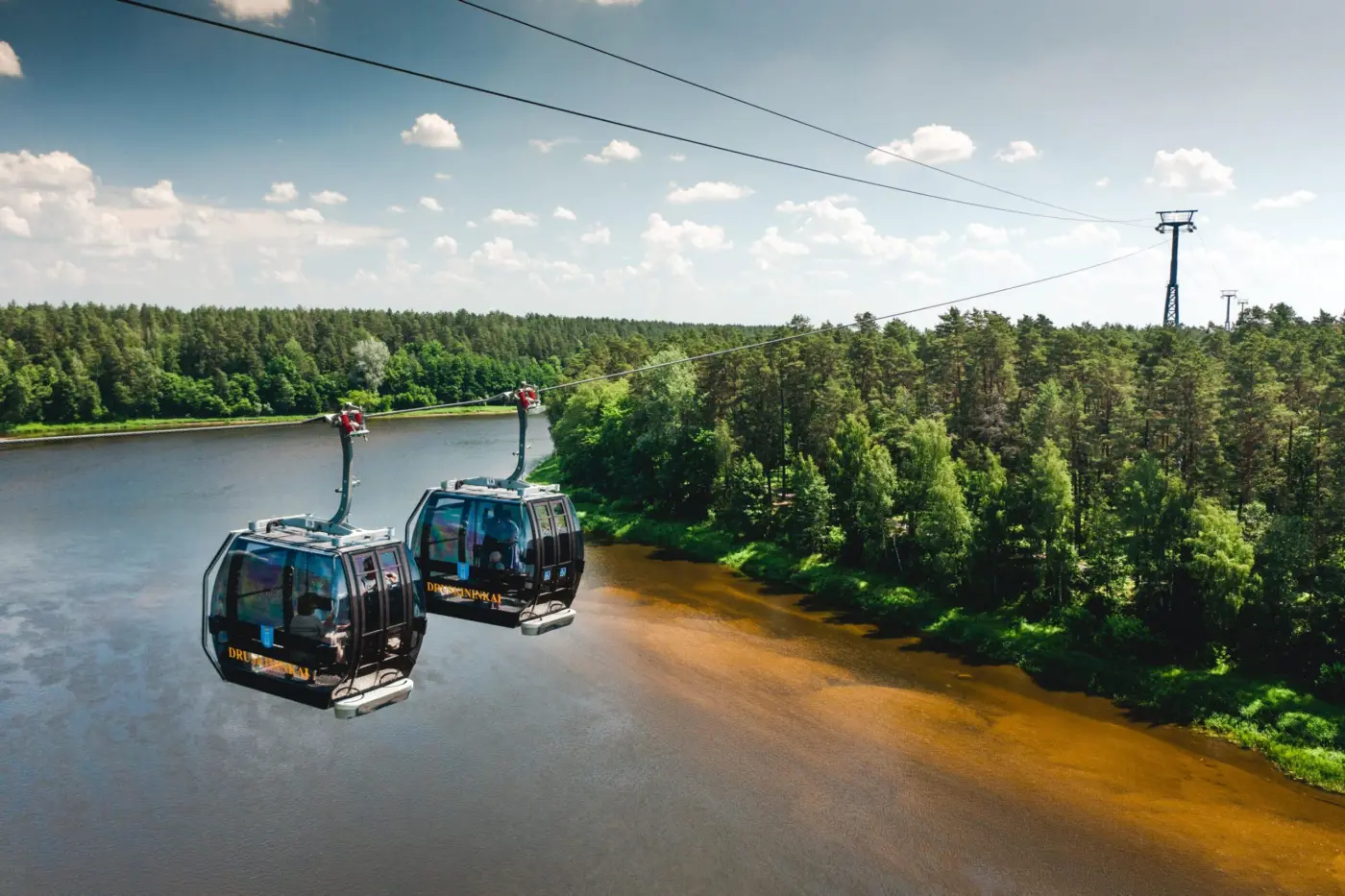
The glass-walled “Lynų” cable car connects the Aquapark side of town with Snow Arena. The approximately 7.5-minute journey rises to about 45 metres and reveals the Nemunas, pine canopy and resort panorama. It operates year-round, although weather or maintenance can occasionally affect service.
Spring: flowers, fresh air and a gentle reset
March to May brings lengthening days, quieter streets and colour returning to the parks. Early March can still feel wintry, while May is often mild enough for longer outdoor plans. Pack layers and a light waterproof jacket rather than expecting stable summer weather.
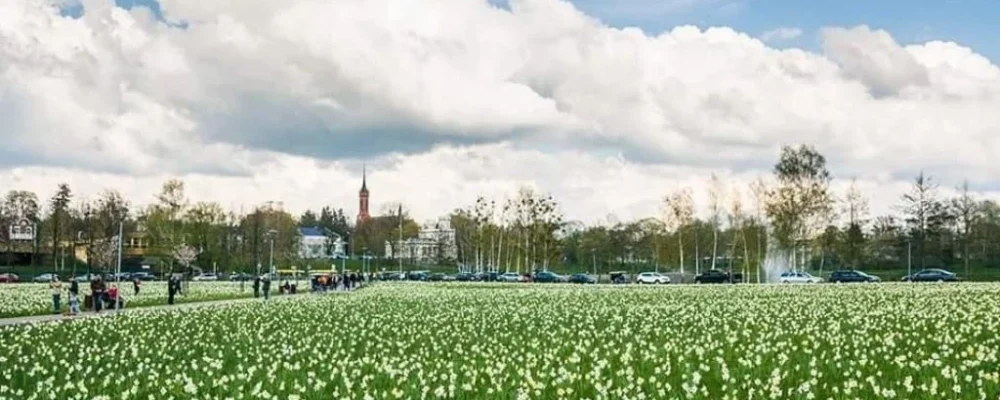
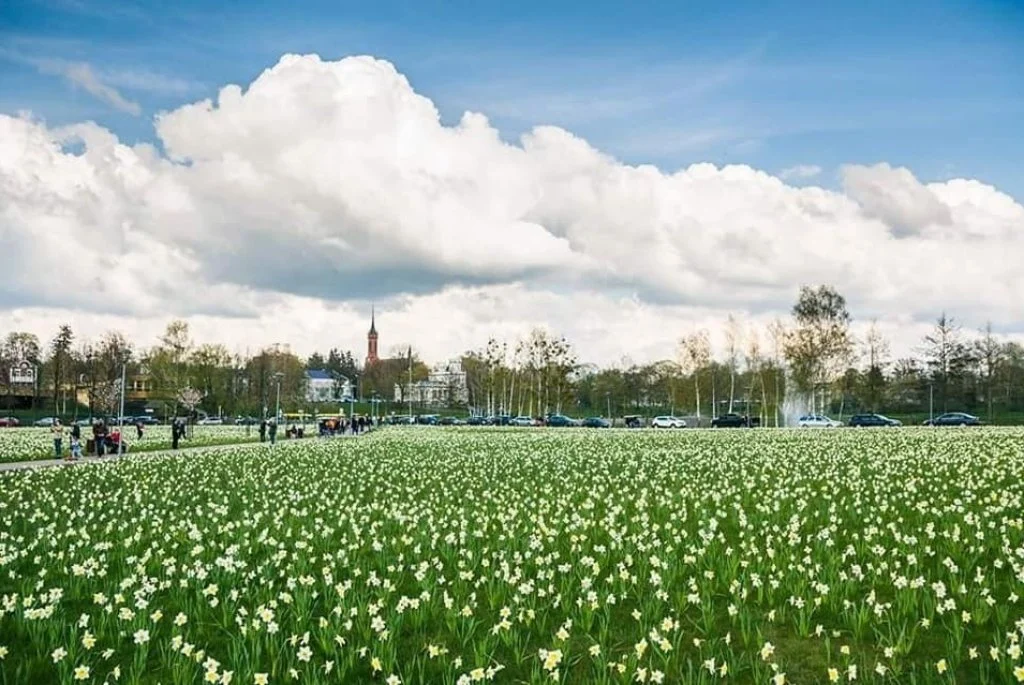
The signature moment is the daffodil bloom in Vijūnėlė Park. The annual festival is normally organised in April, but flowering follows nature rather than a fixed calendar. Check the current event dates shortly before booking if the flowers are your main reason to visit.
Spring also suits walks through K. Dineika Wellness Park. Its history is closely connected with air, sun, water and movement therapies. Some paid facilities and seasonal services have limited timetables, but the park itself is an appealing place to slow down among the trees.
Best for: couples, photographers, wellness breaks and travellers who prefer a quieter resort. For two nights, pair the flower park and centre on day one with a treatment, Aquapark or museum on day two.
Summer: lakes, bicycles and resort energy
June to August is the liveliest season. Long daylight makes it easy to combine a morning ride, time near Vijūnėlė Pond or Lake Druskonis, an afternoon attraction and an evening walk along Vilniaus Avenue.
Swimming and water activities depend on designated areas, conditions and seasonal operators. Cycling is more predictable: paths connect the centre with pine forests and longer routes towards Švendubrė, Raigardas Valley and other Dzūkija landscapes. Our guide to cycling routes in Druskininkai offers ideas for easy rides and more ambitious days.
Summer also brings concerts, fairs and open-air events. The Musical Fountain is a popular evening stop, but programmes and performance times change. Leave room in the itinerary rather than pre-booking every hour.
Best for: families, cyclists and active travellers. Summer weekends are the most popular dates, so accommodation and major activities are worth arranging early.
Autumn: golden parks and unhurried wellness
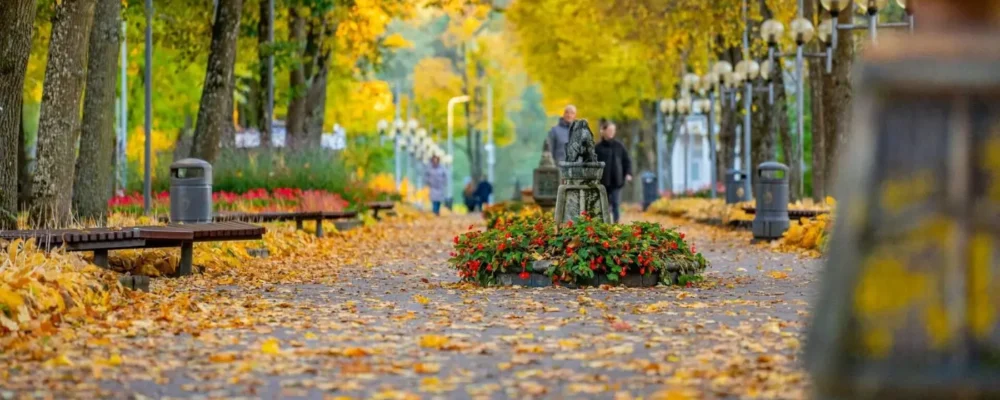
September to November is often underestimated. September may still suit cycling and terraces; October brings the strongest foliage; November shifts attention towards spas, cafés and cultural visits. The pace is calmer than midsummer, which is precisely the attraction.
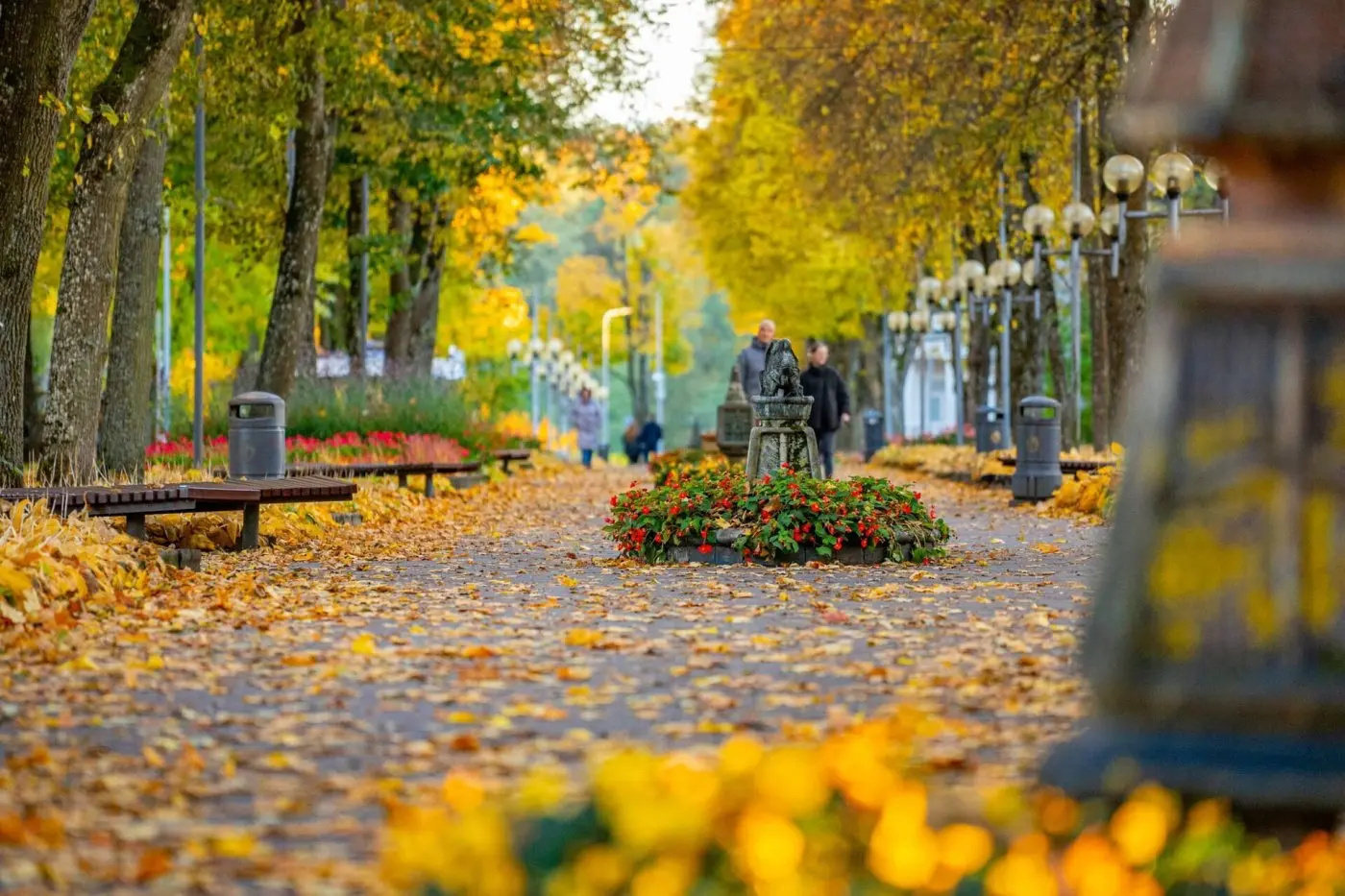
The surrounding Dzūkija forests are known for mushrooms, but visitors should forage only where permitted and only when they can identify species safely. A forest walk is rewarding on its own: pine fragrance, birch colour and quieter paths create the atmosphere often described as forest therapy.
Cooler afternoons work well for mineral baths, mud treatments or cultural stops. Our Druskininkai culture and museum guide introduces the M. K. Čiurlionis Memorial Museum, the Jacques Lipchitz connection and other indoor choices. Autumn is also strong for a workation in Druskininkai, when focused mornings can be followed by quiet walks or spa time.
Best for: solo travellers, couples, spa enthusiasts, photographers, food lovers and remote workers.
Winter: cold landscapes, warm water
December to February offers the resort’s sharpest contrast. Snow is possible but never guaranteed for every date. What is dependable is the combination of indoor snow sports, warm pools, sauna rituals, treatments and compact cultural attractions.
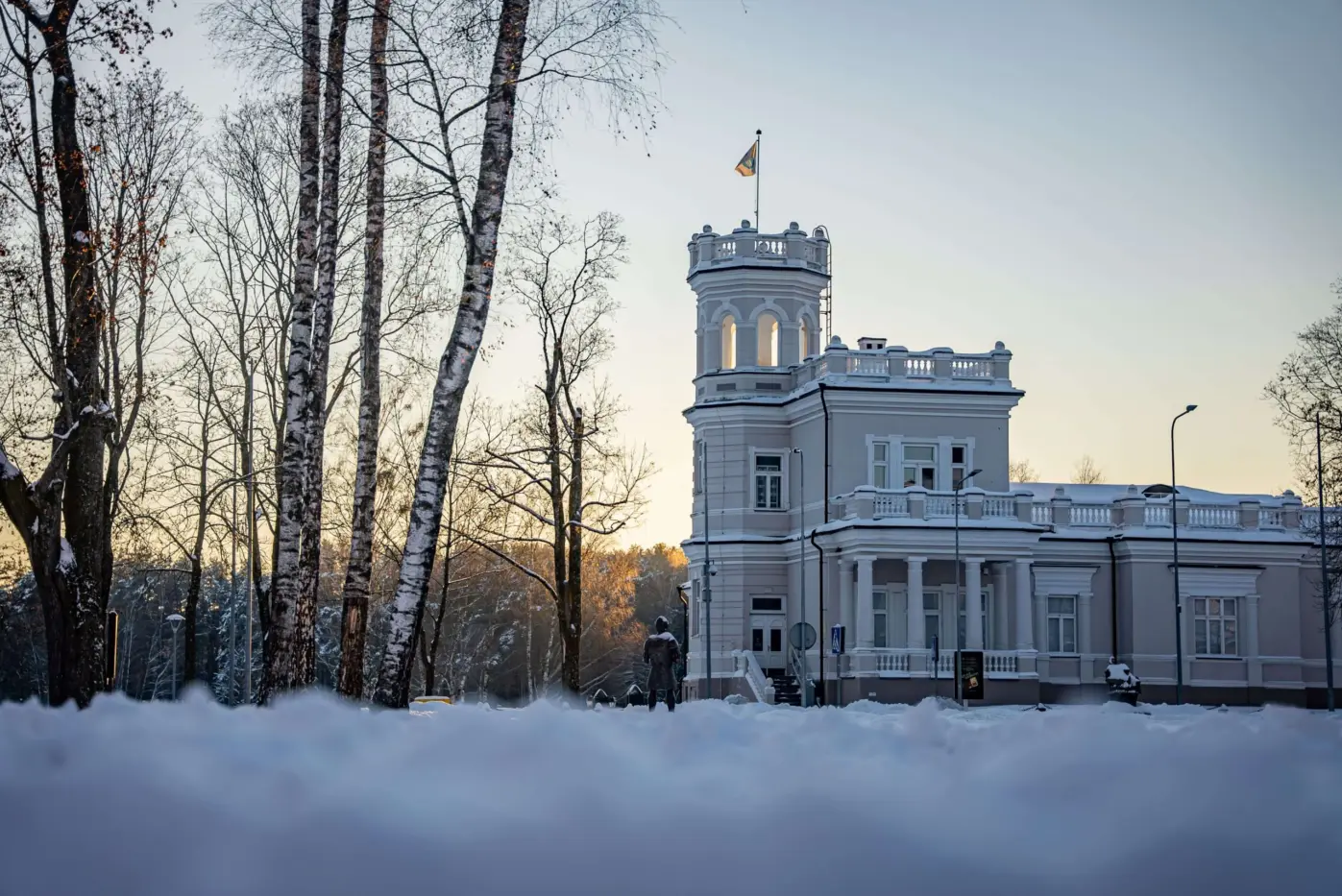
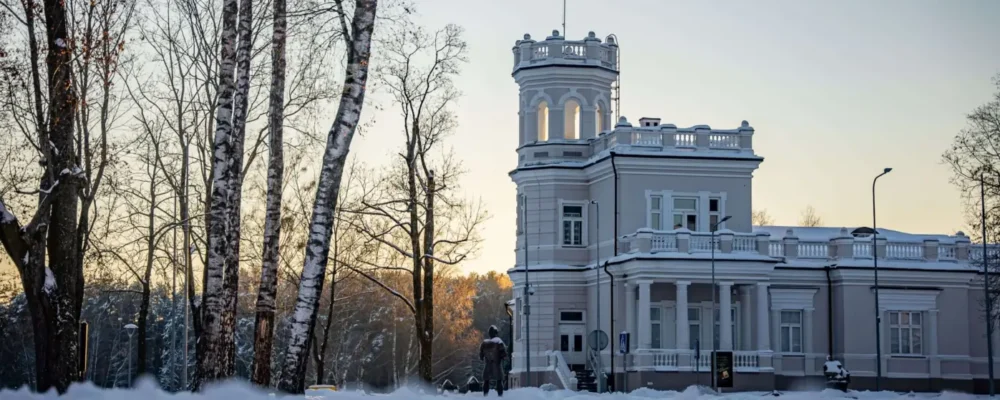
A classic winter day might begin at Snow Arena, continue with the cable car if it is operating, and finish in the Aquapark or a spa. On snowy days, pine paths and illuminated central spaces add a genuine winter-resort feeling. Christmas and New Year decorations create a festive atmosphere, although the programme changes annually.
Best for: romantic breaks, family holidays, sauna and wellness travellers, and anyone who enjoys strong indoor-outdoor contrasts.
Which season should you choose?
| Season | Best known for | Ideal for | Signature experience |
|---|---|---|---|
| Spring | Daffodils and fresh forest air | Couples, photographers, wellness travellers | Vijūnėlė Park bloom |
| Summer | Lakes, cycling and events | Families and active travellers | Long outdoor days |
| Autumn | Golden parks and quieter spas | Couples, solo guests, remote workers | Forest walk followed by wellness |
| Winter | Indoor snow and warm-water relaxation | Families and romantic getaways | Snow Arena plus Aquapark or sauna |
Where to stay in every season
Domi Lini’s self-catering apartments work year-round because their practical advantages do not depend on weather. The Aquapark and cable-car station are around 500 metres away, while Snow Arena is approximately 1.7 kilometres away. Equipped kitchens suit family stays, while the sauna, garden, terraces and BBQ facilities give each season its own rhythm.
Winter comfort is supported by geothermal heating, while electricity comes from renewable sources. EV charging, Wi-Fi and room for longer stays are useful on a summer family holiday or an autumn workation. See our guide to attractions near Domi Lini to build a walkable itinerary.
There is no off-season—only a different reason to visit
The best time to visit Druskininkai is not a universal date. Choose spring for flowers, summer for activity, autumn for calm or winter for contrast. Protect the plan with one year-round anchor attraction and allow the season to provide the rest.
Once you know which version of Druskininkai suits you, check current schedules, choose your apartment and book early for festival weekends and holidays.