

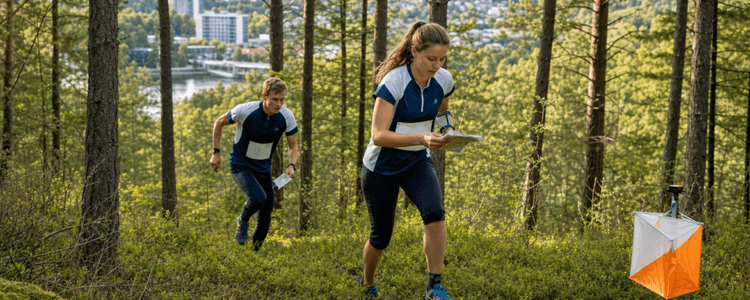
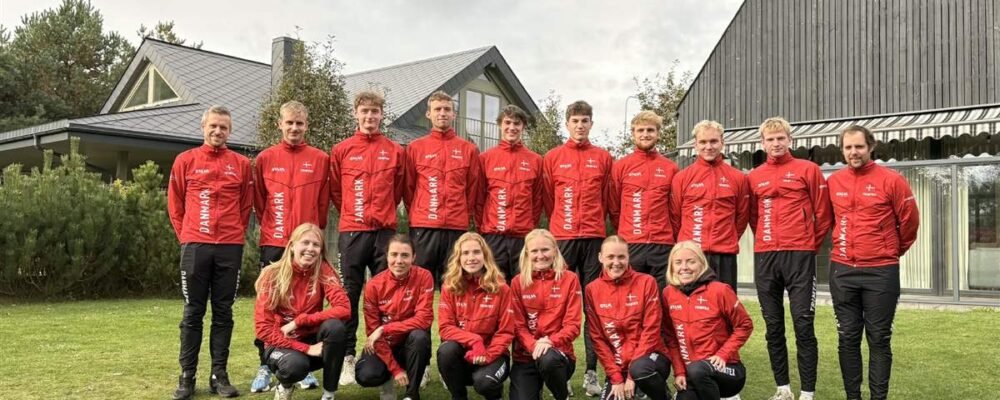
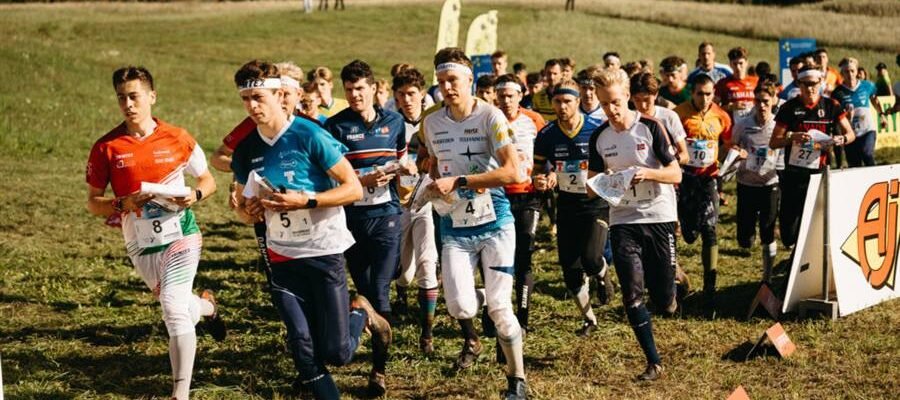
From 22 to 27 September 2026, Druskininkai and the neighbouring Lazdijai district became the centre of European forest orienteering. The European Orienteering Championships (EOC 2026), held together with the final round of the Orienteering World Cup, brought more than 300 athletes from over 35 countries to southern Lithuania. For Domi Lini, the week was especially memorable: we were proud to welcome the Danish national orienteering team back for the championship after also hosting the team during training camps in April and August.
Lithuania’s largest-ever orienteering event
EOC 2026 was the largest orienteering event staged in independent Lithuania. Twenty years after Druskininkai hosted the 2006 Junior World Orienteering Championships, elite athletes returned to the region for qualification, Long, Middle and Relay races in the forests around Druskininkai and Lazdijai.
The terrain demanded much more than speed. Subtle contours, mixed forest, changing visibility and uneven runnability rewarded accurate compass work, disciplined route choices and the ability to stay focused for a long time. The Long and Middle finals were followed by dramatic relays, while television and online coverage carried the races to audiences across Europe—including viewers in Denmark through DR.
A successful championship for Druskininkai
The event showed why Druskininkai works so well as a base for international sport. Competition forests were close to a compact resort with accommodation, restaurants, recovery facilities and an established sports infrastructure. The programme combined demanding forest races with ceremonies in town, live timing, GPS tracking and broadcasts produced from challenging outdoor arenas.
According to the International Orienteering Federation, the championships concluded with exciting relay races and a strong Lithuanian organisation. Switzerland won the men’s relay and Sweden took the women’s title. Sweden’s Tove Alexandersson and Norway’s Kasper Harlem Fosser won the Long titles, while Hanna Lundberg and Fosser won the Middle races. The week also completed the 2026 Orienteering World Cup season.
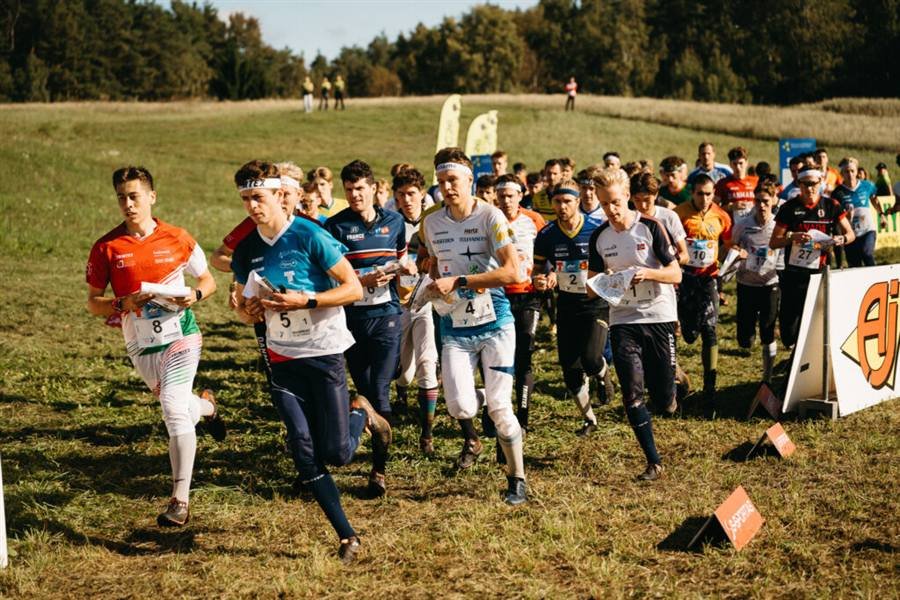
Behind the results was a long preparation process involving the Lithuanian Orienteering Federation, local authorities, course planners, mapmakers, judges, technical teams and volunteers. The organisers also created official training areas and camps, giving national teams the opportunity to learn the distinctive Dzūkija terrain before the championships.
Team Denmark prepared in Druskininkai
For the Danish team, EOC was not a one-week visit. The federation’s published programme records an EOC training camp in Druskininkai from 8 to 14 April. The team returned again in late August, when official training and selection races were organised in the Druskininkai and Lazdijai area. Across eight technical sessions, the athletes worked on judging how hard they could push their speed while maintaining precise navigation in denser forest and limited visibility.
Domi Lini hosted the Danish delegation during both preparation camps and welcomed the team back for the championship itself. Three stays across one season gave us the pleasure of seeing the preparation develop from early terrain familiarisation to final race-week focus.
We know that a training base matters to athletes. Between forest sessions and races, teams need privacy, reliable rest, space to organise equipment and the flexibility of self-catering. Domi Lini’s apartments and holiday house offered the Danish team a quiet home base close to Druskininkai, while the garden provided a relaxed place away from the intensity of competition.
Strong Danish performances at EOC 2026
Denmark arrived with seven women and eight men. All seven Danish women qualified directly for both A-finals, an impressive sign of the team’s depth. Agnes Nørgaard Kracht finished 11th in both the Long and Middle distances, and Denmark placed three women in the top 15 in the Middle final.
The championship ended with a particularly strong women’s relay. Eva Örnhagen Jørgensen, Agnes Nørgaard Kracht and Malin Agervig Kristiansson were in the medal contest throughout the race, beginning the final leg in second place and finishing fifth—only 2 minutes and 7 seconds behind the winners. The Danish men also raced near the front through the opening two legs before finishing 11th overall and eighth among nations.
Those results completed a strong World Cup season: Malin Agervig Kristiansson finished eighth overall, while Denmark placed seventh in the combined nations standings.
A proud moment for Domi Lini
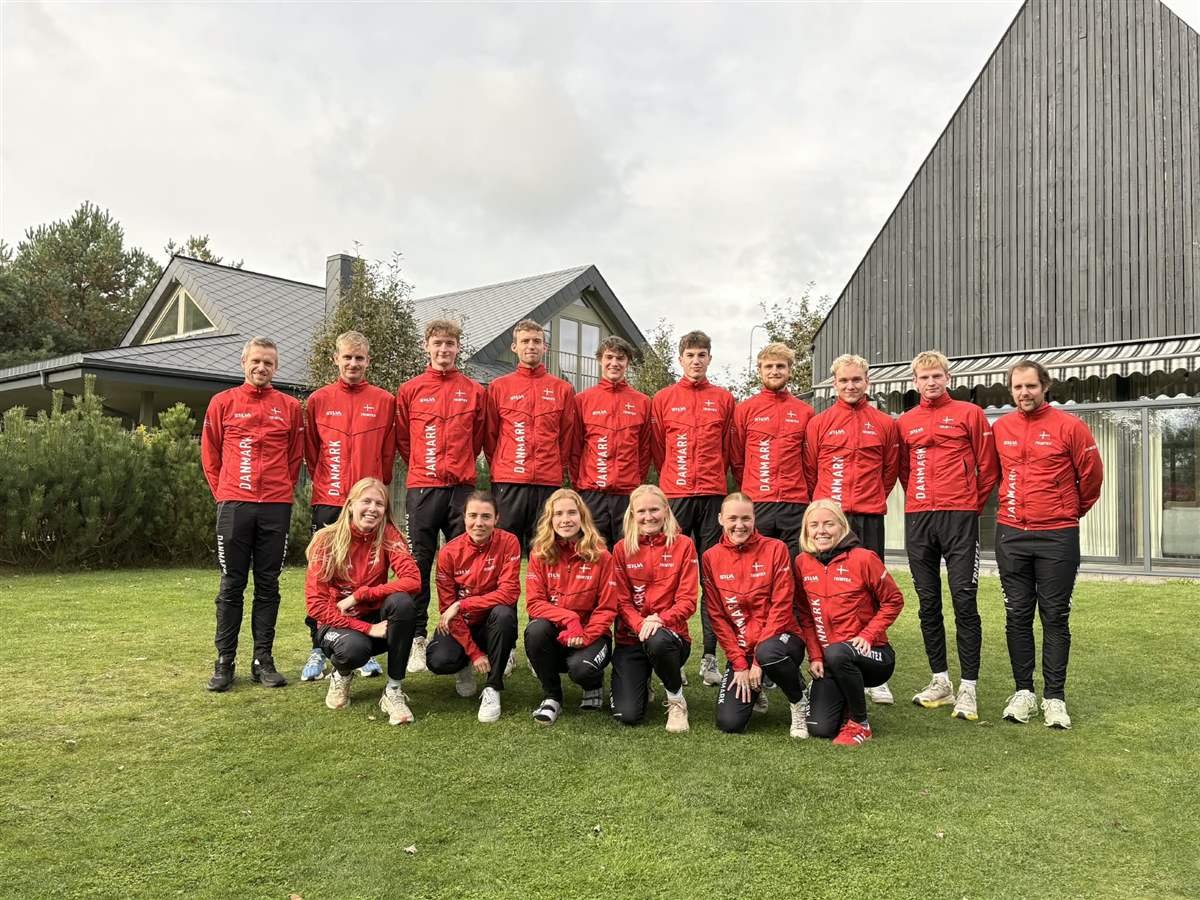
Hosting a national team is different from an ordinary stay. Training schedules change, equipment comes and goes, recovery matters and quiet evenings become part of the preparation. We were delighted that Team Denmark chose Domi Lini not once, but for two training camps and the European Championships themselves.
The team photograph taken in the Domi Lini garden is therefore more than a race-week souvenir. It represents months of preparation, three visits to Druskininkai and a championship that brought Europe’s leading orienteers to the forests of southern Lithuania.
Congratulations to the Danish athletes and staff on their performances, and to the organisers, volunteers and everyone in Druskininkai and Lazdijai who delivered such a successful international event.
Druskininkai: a base for sport and outdoor training
EOC 2026 confirmed the region’s potential for much more than leisure travel. Forests, trails, lakes, recovery facilities and compact logistics make Druskininkai a natural destination for training camps and active group stays. Teams planning a future camp can also explore our guides to the Druskininkai Sports Centre and activities near Domi Lini.
If your club or team is planning a training stay in Druskininkai, contact Domi Lini to discuss accommodation options.
Sources: EOC 2026 organisers, International Orienteering Federation and Danish Orienteering Federation.