


Druskininkai’s story begins with water. Long before spa hotels, visitors came to the banks of the Nemunas for the salty springs that gave the town its name. Today, a short walk through its parks and streets reveals successive chapters: a small settlement, a planned nineteenth-century health resort, an interwar holiday town and a contemporary year-round destination.
Before the resort: a place named for salt
The Lithuanian word druska means salt. Local people knew the mineral springs well before formal resort medicine arrived. Historical accounts describe the Sūručiai family of folk healers using the water in the seventeenth century; the story of Sūrutis and his horse belongs to local legend, not medical proof. The old tourism history also records a village reference in 1596. For a visitor, the important distinction is that the settlement predates the spa’s official founding date.
1794: recognition of the healing place
On 20 June 1794, Stanisław August Poniatowski, King of Poland and Grand Duke of Lithuania, issued a decree recognising Druskininkai as a healing place. That is the date used for the resort’s official founding. It did not mean that the present-day town appeared overnight: the springs and village already existed, while the large-scale resort development came later.
1837 and the nineteenth-century spa
.jpg)
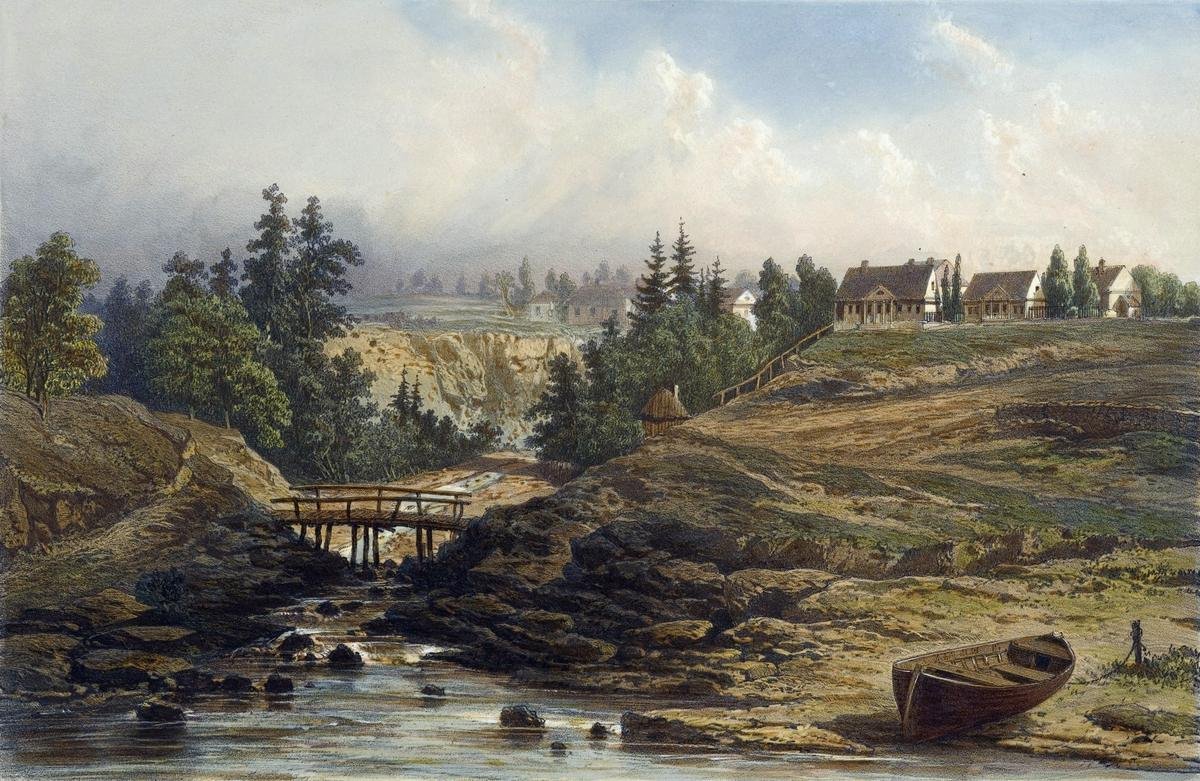
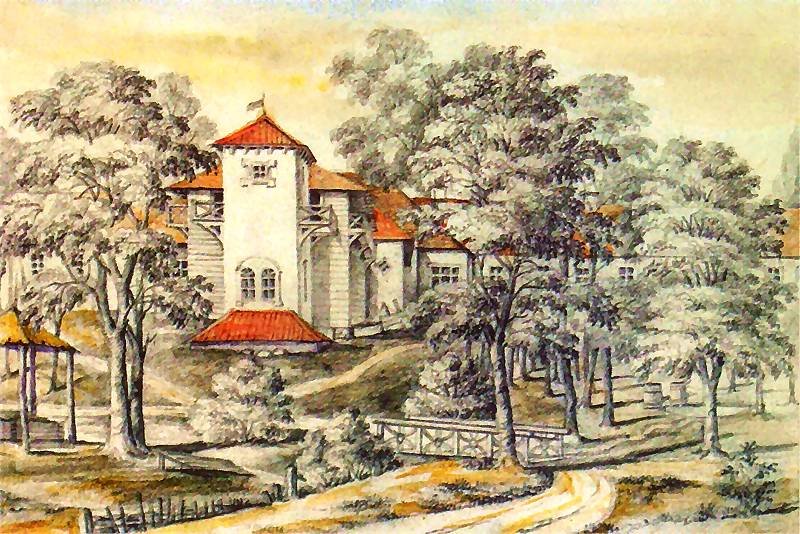
Research into the mineral water’s composition helped make the springs more widely known. In 1837, Emperor Nicholas I approved a project to develop the resort. Marshy ground was drained, sandy promenades and bathing facilities were laid out, and Druskininkai grew into a place for both treatment and leisure. The official tourism history describes a first bath complex in 1838 and a larger one after the 1894 fire. By the late nineteenth and early twentieth centuries, guests came not only for mineral water and mud but also for music, theatre, walks and summer sociability.
.jpg)
Interwar layers and a changing twentieth century
The First World War disrupted resort life. The spa reopened its season in 1923 and developed anew in the 1930s, when sun, air, exercise and outdoor activity became part of its wellness culture. The wooden villas and promenades still give a sense of that holiday-town atmosphere. The twentieth century also brought war, occupations and loss, including the destruction of the local Jewish community; that history deserves more than a passing footnote. Our separate Jewish heritage guide offers a more focused introduction.
Where to encounter the history today
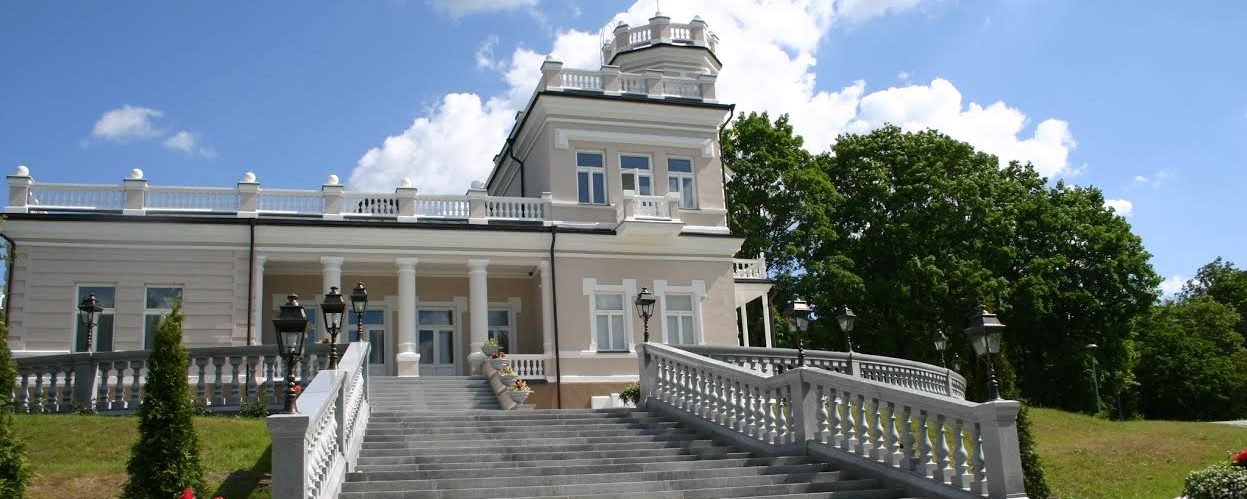
- Druskininkai City Museum, Villa Linksma: the town’s dedicated resort-history exhibition, beside Lake Druskonis at M. K. Čiurlionio g. 59. Check current visitor information before going.
- The mineral-water landscape: stroll through the health-resort park and along the Nemunas to understand why this place became a spa; the Sūrutis sculpture connects the walk with the town’s salt-water legend.
- Old resort streets: look for surviving villas and verandas. For an architecture-first walk, use the official wooden-architecture route.
- The wider cultural story: Čiurlionis and Jacques Lipchitz link the resort to art history. See our museum guide.
From Domi Lini, you can make this a relaxed half-day exploration: start at the riverside springs and park, continue to Villa Linksma and Lake Druskonis, then wander the older streets. No fixed opening hours are needed for the walk itself; check museum access separately. The best way to appreciate Druskininkai’s history is to notice how the old idea of rest—water, air, walking and time together—still shapes the town.
Historical sources: Druskininkai Tourism: Miraculous Salt Stories; the tourism centre’s historical account; Druskininkai City Museum.