

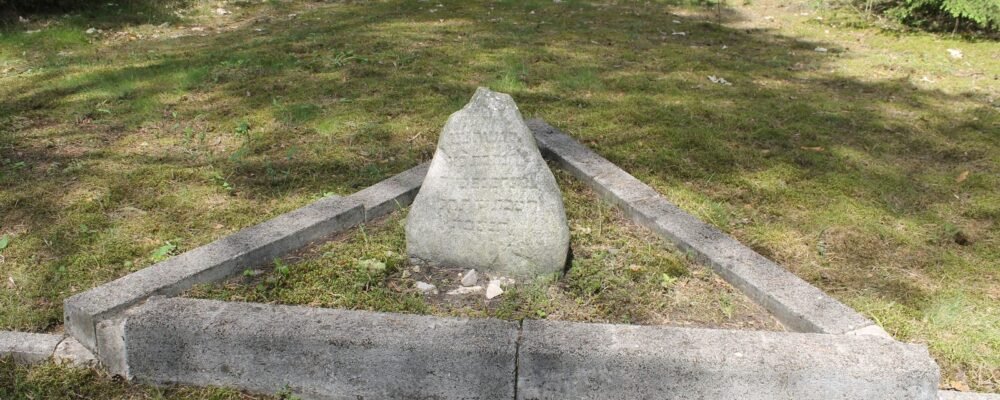
Druskininkai is usually introduced through mineral water, pine forests and elegant resort villas. Yet another history is woven into the same streets. By the end of the nineteenth century, Jewish residents formed around half of the town’s population and helped shape its shops, medical services, guesthouses and cultural life. Today the synagogue is gone and only fragments of that world remain, but they can still be read in the townscape.
This self-guided route connects the former Jewish quarter, the site of the synagogue, buildings associated with local families, the old Jewish cemeteries, the ghetto memorial and the new Jacques Lipchitz Museum. It is not a conventional sightseeing trail: some stops are surviving buildings, while others are places of absence and remembrance.
Jewish Druskininkai before the Second World War
The Jewish community developed alongside Druskininkai’s transformation into a spa town. Historical population figures collected in the Encyclopedia of Jewish Communities record 636 Jewish residents among 1,280 inhabitants in 1897. Jewish entrepreneurs, doctors, craftspeople and traders were closely involved in the resort economy.
A Jewish health clinic treated visitors who came to the mineral-water resort from communities across Lithuania and Belarus. The town also had religious schools, a traditional heder, and later a modernised school. During the interwar years, a Yiddish school, library and drama group contributed to local cultural life.
These facts matter because the surviving heritage is modest. The story is not limited to monuments: it is the story of neighbours, patients, shopkeepers, schoolchildren and families who were part of everyday Druskininkai.
A Jewish-heritage walk through Druskininkai
1. The former Jewish quarter and synagogue site
Begin in the historic centre around today’s Vilniaus Avenue. The synagogue once stood on the right-hand side of the avenue, surrounded by small Jewish-owned shops. The building did not survive the Second World War. The area therefore requires imagination rather than a search for a preserved synagogue façade.
The Lithuanian Jewish Cultural Heritage Route provides a concise historical orientation and coordinates for the principal sites.
2. Hotel Central and the Lipchitz family
At Šv. Jokūbo Street 22 stands the historic Central building. It was opened as a hotel in 1909 by Abraham Lipchitz, the father of Chaim Jacob Lipchitz—later known internationally as Jacques Lipchitz. The building is one of the clearest surviving links between the resort’s architecture and a prominent Jewish family.
Nearby, Druskininkai also remembers Lipchitz through art. Born here in 1891, he became a leading pioneer of Cubist sculpture after studying and working in Vilnius and Paris, and later living in the United States.
3. Jacques Lipchitz Museum
The Jacques Lipchitz Museum, a branch of the Vilna Gaon Museum of Jewish History, opened in Druskininkai in April 2026. Its exhibition follows the artist’s journey from Druskininkai to Vilnius, Paris and New York while also introducing the history of the town’s Jewish community.
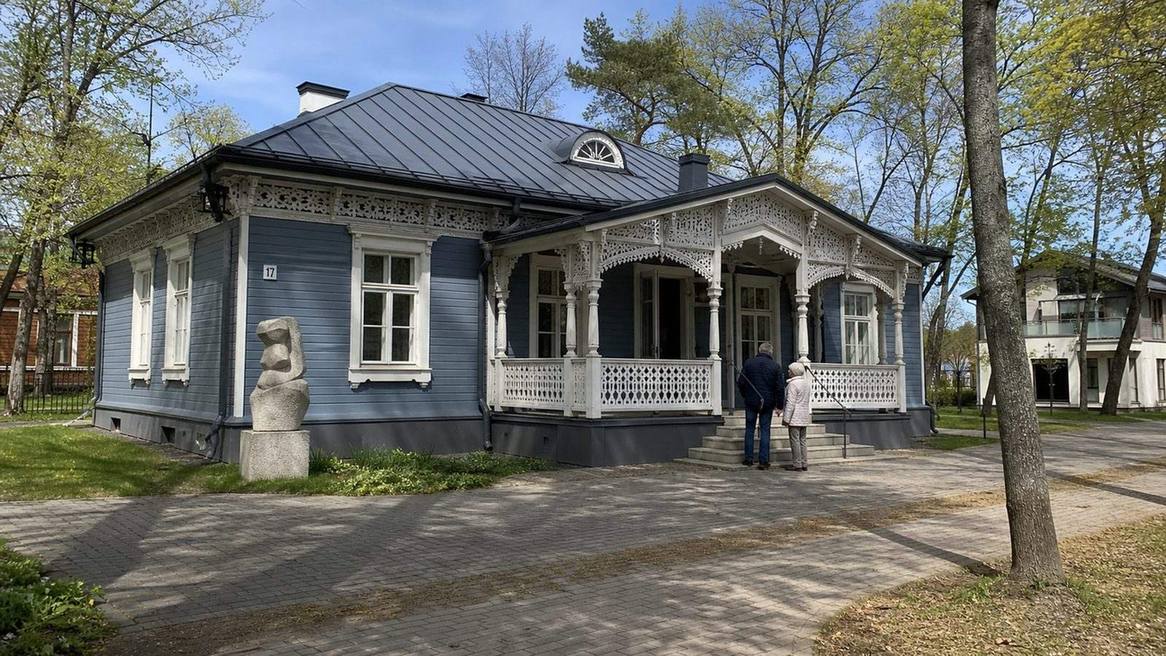
This is the best indoor starting point for visitors who want historical context before walking through the city. Opening hours and temporary exhibitions can change, so check the museum’s current visitor information before setting out.
4. The Druskininkai ghetto memorial
After Nazi Germany occupied the town in June 1941, Jewish residents were expelled from their homes and confined in an open ghetto on the edge of Druskininkai. The Yad Vashem community encyclopedia records that around 800 local Jews were imprisoned there. In 1942 they were deported to the Kielbasin transit camp near Grodno and, several weeks later, sent to Treblinka, where they were murdered.
A memorial near Šv. Jokūbo Street marks the former ghetto and commemorates its prisoners. Treat the location as a place of remembrance: allow time to read the inscription, avoid intrusive photography and keep the surroundings undisturbed.
5. The old Jewish cemetery on Baravykų Street
The cemetery was established in the second half of the nineteenth century and remained in use until 1941. Rachel Lipchitz, the sculptor’s mother, was buried here. In the Soviet period the cemetery was levelled and its gravestones were reused as construction material. Today a memorial plaque and three surviving gravestones identify the site.
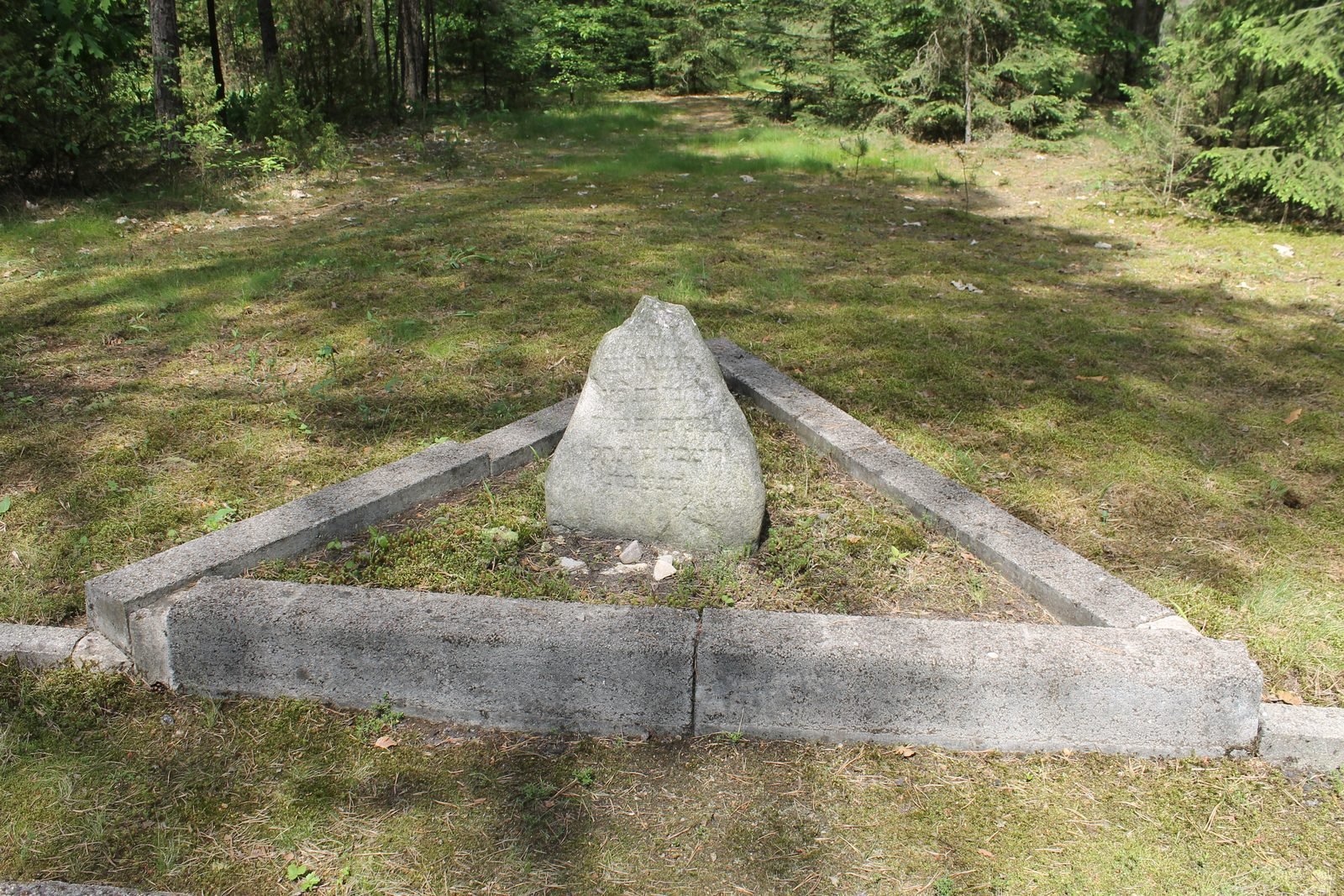
The cemetery lies away from the busiest part of the centre. The official visitor description is useful for confirming the location. Wear suitable footwear, especially after rain, and remember that this is a burial ground rather than a recreational park.
6. The old Jewish cemetery in Ratnyčia
A second cemetery survives in Ratnyčia, now part of Druskininkai. Members of both the Ratnyčia and Druskininkai Jewish communities were buried there. It is farther from the compact central route and is best added as a separate stop by bicycle or car.
Visitors with more time can also explore Jewish heritage elsewhere in the municipality. Leipalingis has a surviving cemetery and a documented Jewish history reaching back to the seventeenth century. These outlying sites should be approached with the same care and respect.
How long to allow
Allow approximately two hours for the central sites and museum, excluding time spent inside exhibitions. Reaching both cemeteries will make the route longer. Distances are manageable, but the heritage trail is not fully signposted, so use an up-to-date map and confirm museum access in advance.
If you prefer historical interpretation rather than navigating alone, ask a local specialist about a Jewish-heritage walk. Our guide to tour guides in Druskininkai explains where to enquire and which languages may be available.
Visiting respectfully
- Remember that cemetery grounds and the ghetto memorial are places of mourning.
- Do not move stones, touch inscriptions unnecessarily or enter fenced areas.
- Avoid presenting the route only through tragedy; Jewish residents also shaped the resort’s medicine, trade, education and culture.
- Use verified historical sources and be cautious with dates, spellings and changing place names.
- Support museums and guided initiatives that preserve local Jewish memory.
Planning the walk from Domi Lini
Domi Lini offers a convenient base for exploring the historic centre on foot. You can combine this route with our overview of attractions around Druskininkai or continue with the town’s wider art history in our article about Čiurlionis and Lipchitz museums. Check rooms and rates when planning a longer cultural stay.
Jewish Druskininkai cannot be reconstructed from buildings alone. The route becomes meaningful when the surviving sites are connected with the lives and institutions that once animated the resort—and when the silences in today’s landscape are acknowledged as part of its history.